

A Three-Part Series by Tally G
Part One: The Seven-Second Mistake That Changed Music Forever
Imagining what jungle, drum & bass, or even pop music would sound like without their most widely used sample is surprisingly difficult. If the Amen Break never came to fruition, would there still even be jungle or D&B?
This question was among many I had while researching the history of the Amen Break. In this three-part article, I will take a deep dive into the history of this ubiquitous sample. What started as an overlooked, seven-second drum solo on a 1969 funk B-side became the ultimate cross-Atlantic musical passport, greatly shaping the American hip-hop music scene before being accelerated by creative-thinking British DJs into high-octane fuel for the impending rave scene.
The Accidental Masterpiece
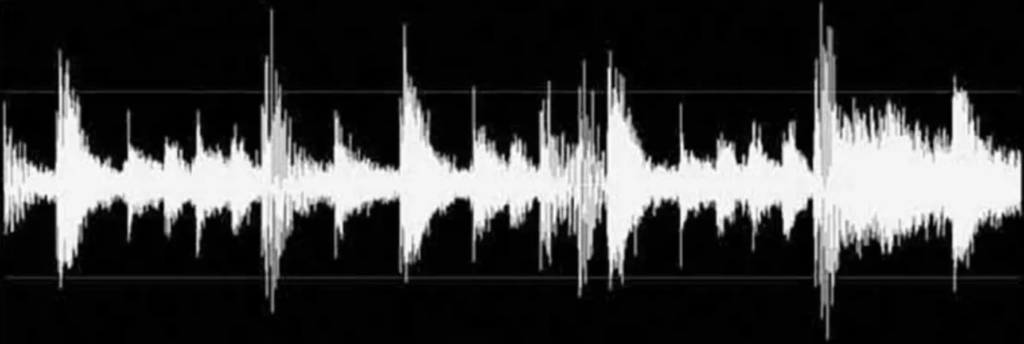
What IS the Amen Break? It is a six- to seven-second drum solo that holds the title of the most widely sampled drum break in popular music history. Improvised and performed by the late Gregory Coleman to increase the length of the song, the solo originally appeared in “Amen, Brother”—a 1969 track by the multi-racial American funk and soul group The Winstons, led by Richard Lewis Spencer. The song was released as the B-side to their Grammy Award-winning single, “Color Him Father.” To date, the iconic break has been sampled over 7,800 times, and its influence continues to grow indefinitely.
Unfortunately, The Winstons disbanded in 1970 after struggling to obtain bookings throughout the South due to the the band’s mixed-race status. All but one remaining band member have passed away due to various causes.
The Hip-Hop Time Capsule
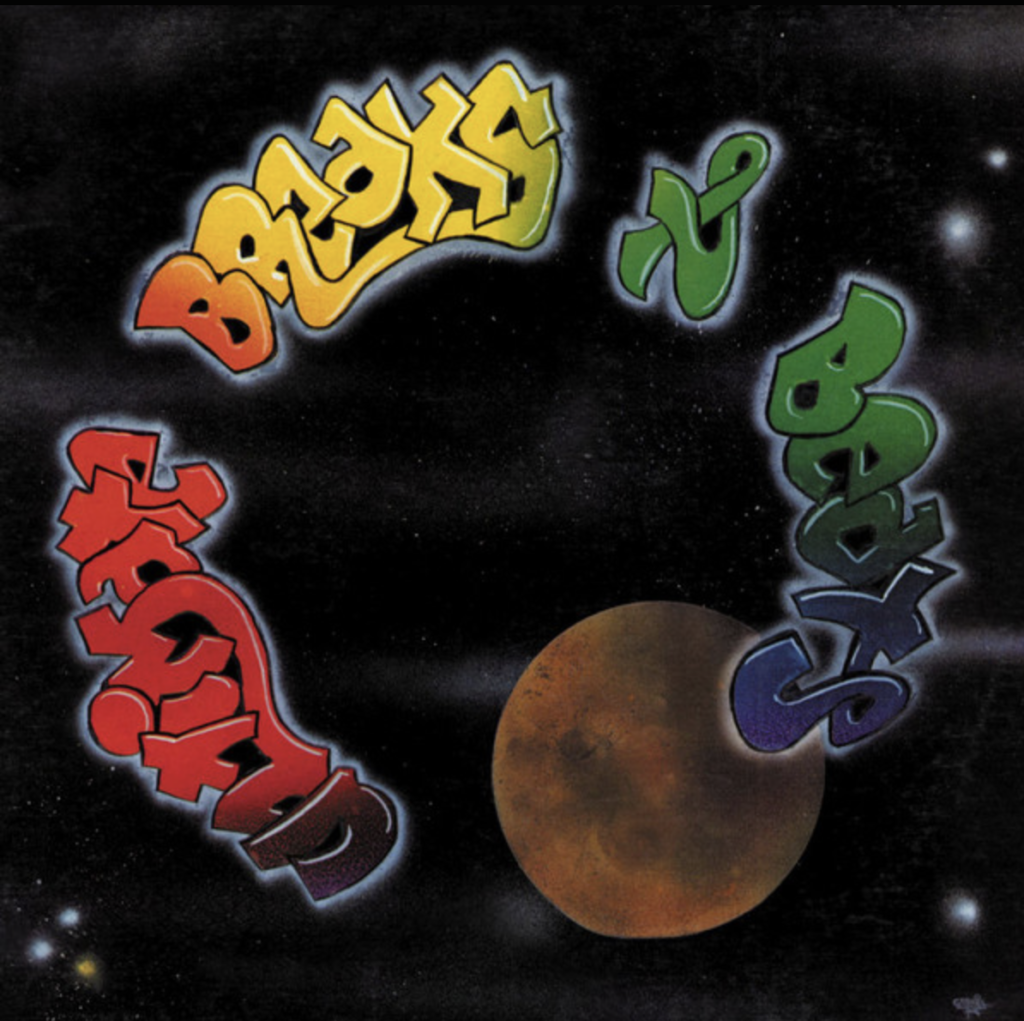
The 1980s brought hip-hop music to the forefront, with DJs almost endlessly looping funk drum breaks via turntables to keep things moving on the dancefloor while the MC would rap over the microphone. In 1986, a DJ and sound engineer from the Bronx, Louis “BreakBeat Lou” Flores and Lenny Roberts, his partner, released volume 1 of a vinyl compilation series: Ultimate Breaks and Beats. The series curated clean, rare funk and soul drum solos explicitly for hip hop producers and DJs to sample. Flores pitched “Amen, Brother” down from 45 RPM (revolutions per minute) to 33 RPM which slowed down the break and gave it a more aggressive, heavy, and booming texture that was in tune with the ever-changing hip-hop sound.
Salt-N-Pepa’s 1986 “I Desire” is widely considered to be one of the earliest uses of the Amen Break.
It then fueled such classic American hip-hop tracks such as N.W.A.’s prolific “Straight Outta Compton” and Rob Base & DJ E-Z Rock’s “Keep It Going Now”.
The Amen Break was then moved from being a background rhythm to the star of 1988’s “King of the Beats”, a pioneering track by Mantronix.
The Ultimate Speed Hack
While all this was happening in the mid-1980s, the queer and Black spaces of Chicago were busy creating a new dance music genre: acid house, which is known for its four-to-the-floor rhythm accompanied by the Roland TB-303 bass synthesizer, which provides an interesting electronic squealing sound when its limits are pushed as you can hear in Phuture’s 1987 classic “Acid Tracks”.
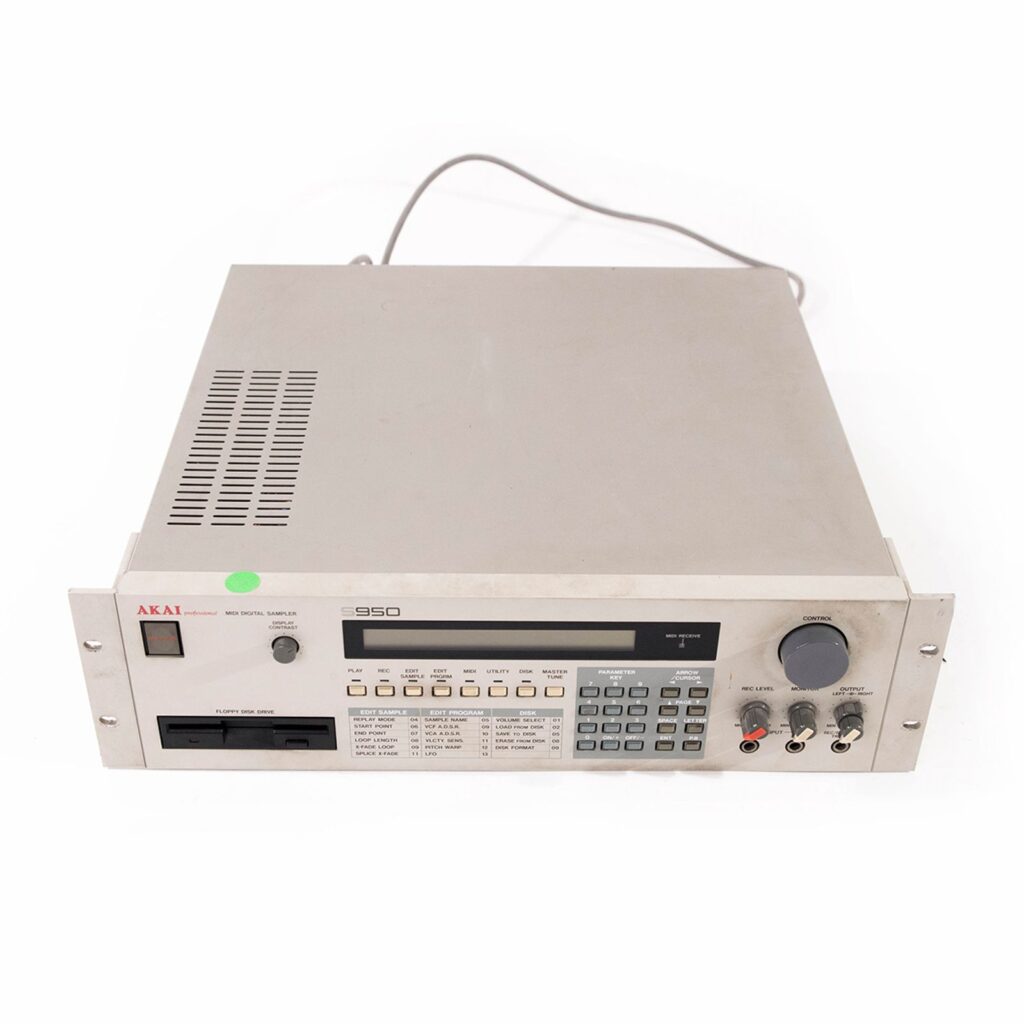
Acid house exploded in Britain during the “Second Summer of Love” in 1988, which solidified the foundations of the burgeoning rave scene happening in rural, sometimes muddy grassy fields and urban, industrial warehouse parties. British producers began experimenting and making their own electronic music, inspired by Chicago’s acid house as well as Detroit techno, but they sped up the tempos and incorporated digital samplers like the Akai S950. Acid house very rapidly evolved into breakbeat hardcore in the beginning of the 1990s; producers replaced the straight 4/4 house kick drums with chopped up, sped up drum loop samples to accomplish this.
How exactly does this pertain to the almighty Amen Break? Stay tuned for the second article in this three-part series–check this space in one week!
Till next Tuesday,
Tally G