

A Three-Part Series by Tally G
Part Two: Welcome to the Jungle: Slicing Up the Blueprint
Last week I left us at the time in dance music history wherein a genre called breakbeat hardcore was filling up the dance floors of the rapidly evolving British rave scene during the very late 1980s and early 1990s. The sound of the time was inspired by influential acid house, which quickly evolved from a four-to-the-floor sound to 4/4 breakbeats–creating a new genre in the process–by way of looped drum samples. During this time, early digital samplers were becoming more widely available and different sounds were popping up all over pirate radio and raves.
Breakbeat hardcore–with a quicker tempo of 140-150 bpm (beats per minute)–was THE sound for just a small time frame before it began evolving into two distinct genres: happy hardcore and jungle.
Those who were into uplifting, melodic sounds followed happy hardcore, while those in favor of the darker side flocked to the extremely futuristic sound of jungle music, driven by the almighty Amen Break.
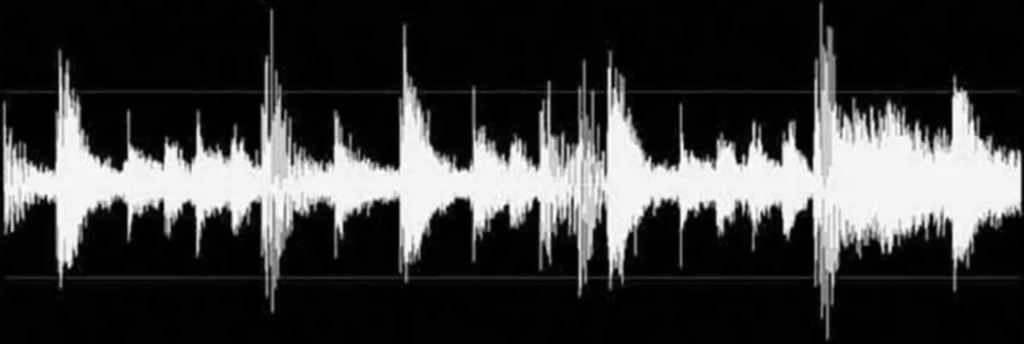
By using early digital samplers to smash the Amen Break into pieces, underground London producers of the early 1990s engineered a blissfully chaotic new rhythm that blended high-speed drum chops with heavy reggae bass, permanently defining the sound, culture, and political voice of jungle music.
Frankenstein’s Beat: The Birth of the “Chop”
Digital samplers emerged in the early 1990s and quickly became de rigueur among music producers due to their relative affordability. Using a digital sampler such as the Akai MPC60, MPC3000, and E-mu SP-1200, to name a few, enabled these creators to move away from merely looping recorded (or sampled) drum solos; they were now able to “chop” or “slice” up samples to their liking.
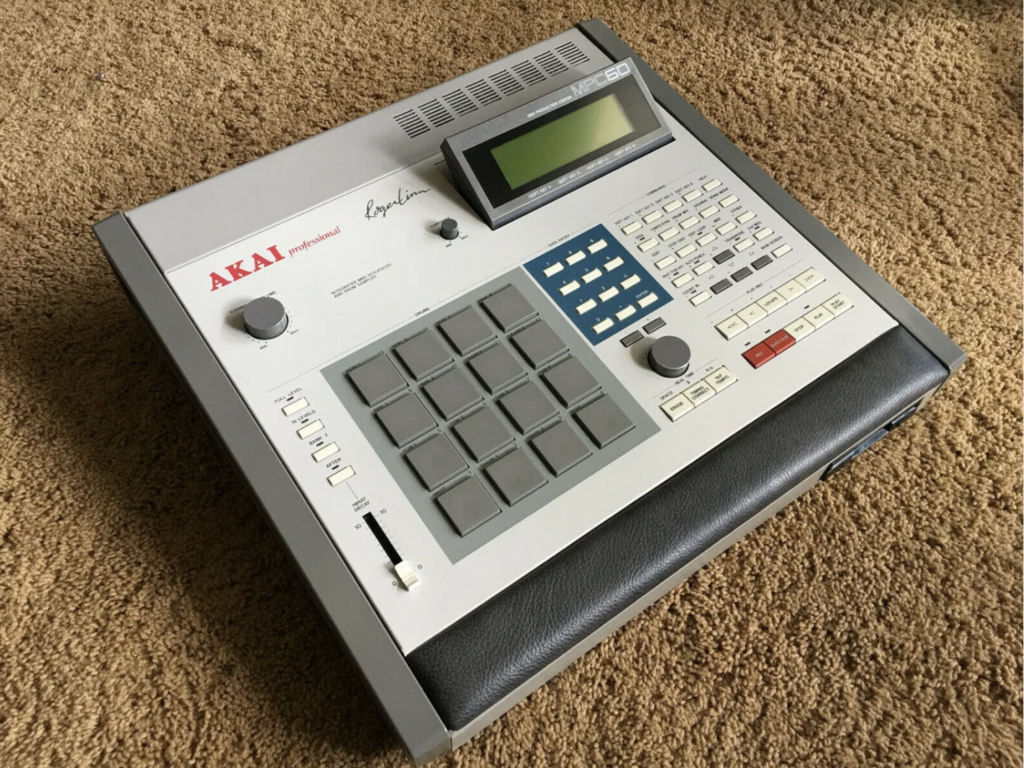
This meant that samples could now be broken up into smaller segments, such as an individual sample for each drum snare, hi-hat, and kick drum. This allowed extreme rearrangements that created brand new rhythms and compositions which were all over the place creatively. Interestingly, many of these producers were able to create rhythms that live drummers could never replicate.
London’s Sonic Melting Pot
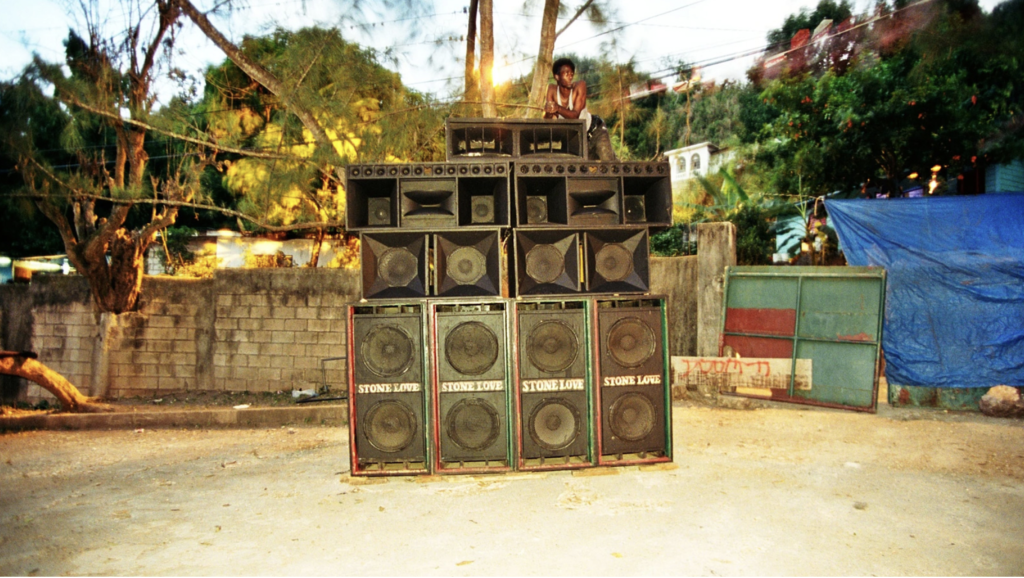
The birth of jungle music in the 1990s was due to a collision of cultures in the UK, mostly in London but also in Bristol, and Jamaican sound system culture had been present for well over 30 years after there being a large migration of Caribbean immigrants. Some of the children of these immigrants were pioneers of the genre: Shy FX, Goldie, Congo Natty aka Rebel MC, The Ragga Twins, Fabio, Grooverider, Jumpin Jack Frost, and Brian Gee.
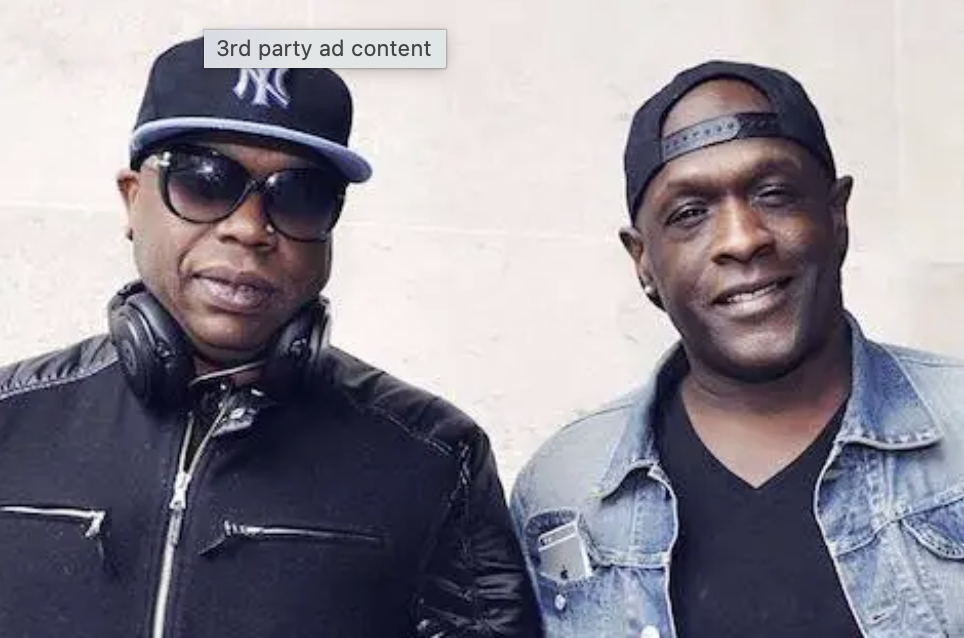
Their presence in the days of breakbeat hardcore led to the infusion of heavy Jamaican dancehall and dub basslines, acapellas, and patois MCing in addition to the rapid, chopped up rhythms that were created with digital samplers. These Caribbean-descended MCs would often protest systemic oppression and state crackdowns, which led to jungle being the political voice of post-Thatcherite electronic dance music, representing the disenfranchised voices of not only UK Afro-Caribbean youth but also the youths of the working class.
The Anthems of a Movement
Widely regarded as the first true jungle track, breakbeat hardcore producer Lennie De Ice’s “We Are I.E.” was released in 1991 on i.e. Records, affiliated with Reel to Reel Recordings. It is frequently included on many lists and compilations because of its impact on British rave music.
Also released in 1991 was DJ and producer Carl Cox’s release, “I Want You (Forever)”, an example of early techno and breakbeat hardcore that remains among his most famous tracks even during his iconic four-decade music career.
Bodysnatch’s 1992 release “Euphony (Just 4 U London)” is a great example of early rave/breakbeat hardcore/proto-jungle with a lean-in to a faster, more chopped up breakbeat.
“Set Me Free”, released in 1992 by Noise Factory, perfectly showcases the transition from early hardcore techno into early jungle.
Stay tuned for the final third of this series, out in one week!
Best,
Tally G