

A Three-Part Series by Tally G
Part Three: From Underground Raves to Blockbuster Video Games
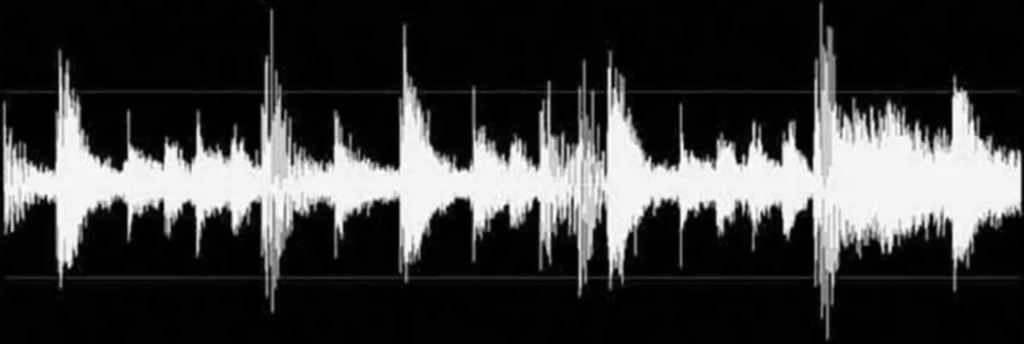
During the second article of this series last week (check out the first article if you missed it), we left off with some iconic tracks showcasing the Amen Break that greatly influenced the days of breakbeat hardcore and early jungle music. Jungle evolved rapidly during the early 1990s, settling in to a sound that is still very fresh and modern and is commonly referred to as the Golden Era (1993-1995). The sound had now completely moved away from the early rave breakbeat hardcore sound and had been sped up from 140-150 beats per minute (bpm) into 150-170 bpm, with an emphasis in complex breakbeats with earth-shaking dancehall and dub sub-bass and sped up reggae/dancehall-influenced vocals and vocal samples.
After the Golden Era, another evolution came into being, this time splitting off from the chaos of jungle and creating a cleaner, more tightly programmed sound that came to be known as drum and bass (D&B) which then led to a larger listener base. From chaotic underground raves to blockbuster video games, the Amen Break grew from a wild seven-second sample into a sleek pop-culture powerhouse—leaving behind a trail of legendary electronic subgenres and a deeply bittersweet human legacy.
The Evolution from the Golden Era of Jungle to Drum & Bass
Golden Era jungle can best be described as holding on to the raw, reggae/dancehall influenced basslines, vocals, and samples, but with a more refined production quality, richer basslines, and more complex drumbreak editing. This was due to music studios having more technologically advanced mixing and sampling gear. The bpm had also increased from 150-170, to 160-180. The sound moved from an early UK rave vibe to darker, more atmospheric soundscapes that included science fiction elements and/or jazz sounds.
Some key Golden Era tracks include UK Apache and Shy FX’s 1994 hit “Original Nuttah”, an explosive ragga-jungle anthem with rapid-fire vocal chants and a sped-up Amen Break.
1994’s “Terrorist” by Renegade aka Ray Keith features a heavily chopped Amen Break, deep sub-bass, and a darker, rolling jungle vibe. This track and the next one listed are on the legendary record label Moving Shadow, worthy of an article of its own.
“Dred Bass” by Dead Dred (1994) has a frantic, highly chopped up and programmed Amen Break, with clattering drum rips from snare and tom hits and live gunshot samples.
DJ Zinc’s classic “Super Sharp Shooter”, released in 1995 on a Ganja Kru compilation, is a defining track built on a tightly programmed and edited rolling Amen Break with an extended intro showcasing hip-hop vocal sampling and beats with an interesting melodic electronic synthesized sound.
The evolution from Golden Era jungle to drum & bass included several elements: a change in drum programming; a fading Caribbean influence; and the emergence of new subgenres. Producers moved away from manually chopping up their drumbreak samples; artists such as the pioneering Dillinja began synthesizing and layering their own drum hits from scratch. Dillinja’s “The Angels Fell”, out in 1994 on iconic label Metalheadz, is a fantastic example of this kind of drum programming.
The heavy reggae- and dancehall-influenced vocal samples and dancehall-style MCing and deep sub-basslines gave way to two different offshoots: techstep and liquid funk (now referred to simply as liquid), both showcasing a cleaner two-step drum pattern. Rather than relying on the complex chaos of the Amen Break, tracks like Alex Reece’s 1995 masterpiece ‘Pulp Fiction’ flipped the script entirely. Reece introduced a minimal, rolling two-step drum pattern, proving that drum and bass could command a dancefloor by stripping the rhythm down to its absolute essentials. Techstep is sleeker, more clinical sounding, and futuristic while liquid funk is atmospheric and jazz-infused.
Pop Culture Takeover
Once you can identify an Amen Break without thinking about it, you tend to start hearing it everywhere; it is found in commercials, video games, movies, and elsewhere. It was featured in two animated TV series: Futurama and The Powerpuff Girls as well as the feature film Pi. It is even found in rock music, such as in David Bowie’s “Little Wonder”, Oasis’s “D’You Know What I Mean?”, and Amy Winehouse’s “You Know I’m No Good”. Lastly, you can hear it in a number of video games, such as Grand Theft Auto.
The Bittersweet Truth
Unfortunately, neither The Winstons’ bandleader Richard Lewis Spencer nor drummer Gregory C. Coleman received any royalties for use of the Amen Break. In fact, Spencer was not aware of its use until 1996, when an executive contacted Spencer to ask for the master tape. Unfortunately, no legal action could be taken because the statute of limitations for copyright infringement was three years at the time. Spencer initially stated that he felt the sampling was plagiarism but later said in 2011 that he found it flattering. Coleman, our unsung hero, passed away in Atlanta in 2006, homeless and destitute, most likely completely unaware of the enormous impact he made on modern music.
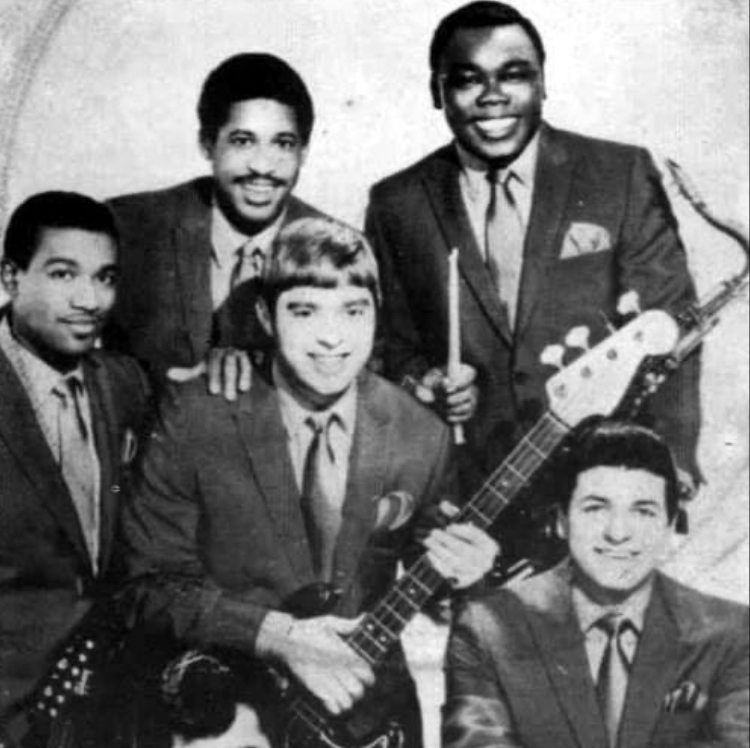
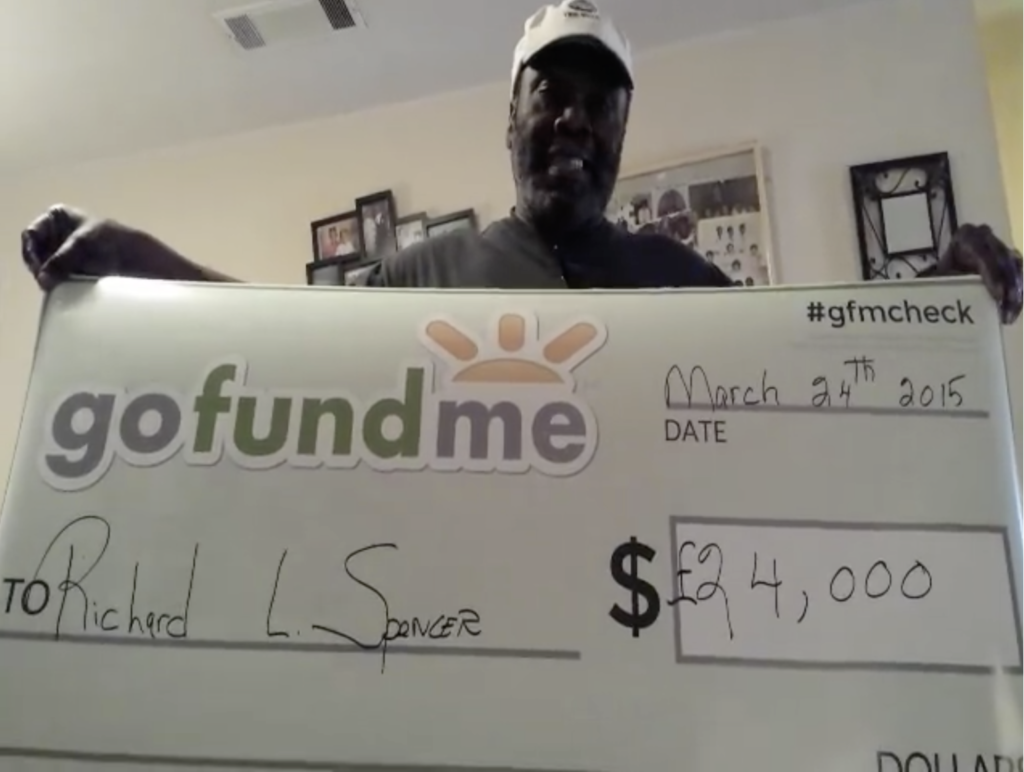
In 2015, British DJs Martyn Webster and Steve Theobald started a GoFundMe campaign and raised more than £24,000. Bandleader Spencer passed away in 2020 and in 2026 the US Library of Congress chose “Amen, Brother” for preservation in the National Recording Registry because of its importance in the country’s recorded sound heritage.
There you have it; a fairly complete history of the Amen Break. I hope you all enjoyed this series!
Huge ups,
Tally G